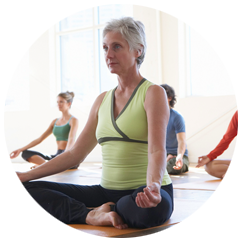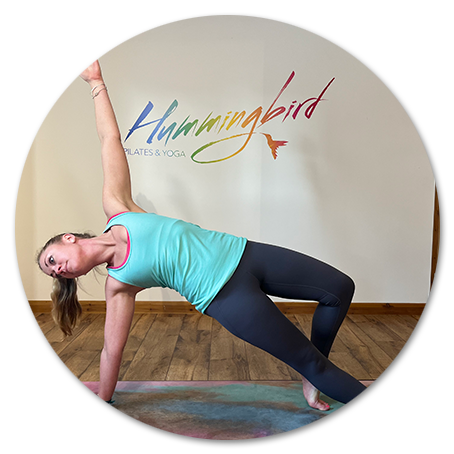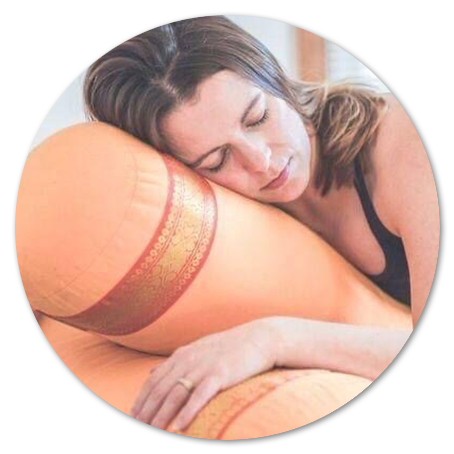
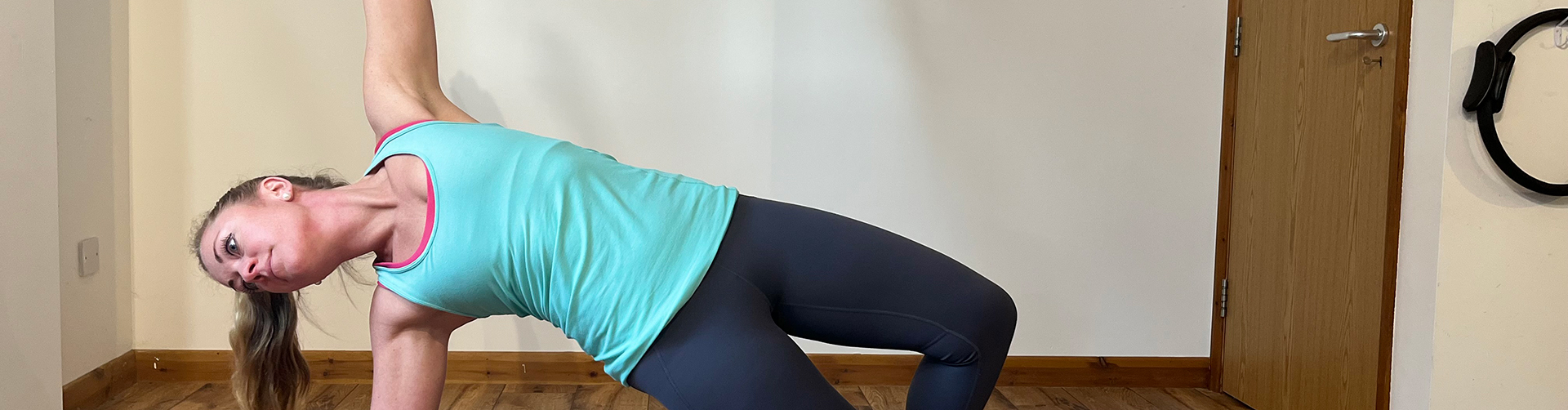
Our Hummingbird yoga studios are relaxing and purpose built spaces, where you step out of the hectic pace of life and step into a calming sanctuary for body and mind.
Hummingbird yoga studios have a fantastic community vibe.
We provide small group yoga classes, taught by highly trained teachers, who will give you plenty of individual attention to improve your practice at the right pace for you.
We offer a wide range of yoga classes so we will have a class that is right for you, whether you are new to yoga or a yogis looking to deepen your practice.
Book Yoga
Now
Please look at our class schedule for details of all our classes and book yourself in and pay online with our easy to use online booking system.
Please register via Book Online or alternatively, feel free to pop in, say hello and sign up in the studio. We look forward to meeting you.
We have a wonderfully flexible online booking system, enabling you to book and manage your classes online via our website or our Hummingbird Pilates & Yoga app, which is free to download from the app store.
At Hummingbird, you're never tied into a block of the same classes; you can pick and choose when you come to class from our extensive schedule. We even give you up to 24 hours before the start of each class to reschedule your booking, without relinquishing the cost of the class.
Our new client offer of 30 days for £49 enables you to try as many classes as you can within your first month, in order to see which classes, teachers and membership options will work best for you. We hope that this will help you to develop a love for yoga and of our studios! We also hope that you'll try Pilates as part of your trial.
Yoga means union. The benefits of practicing yoga are endless. Yoga improves your health and general wellbeing.
It builds strength, flexibility and balance; improves posture; releases tension; increases blood flow and boosts immunity.
More importantly, it leaves you feeling amazing and ready to take on the world.
Yoga at Hummingbird gives you time and space to reconnect with yourself, encouraging you to relax, de-stress and live in the moment.
Yoga can help you to maintain your focus and concentration, quieten a busy mind and help you to deal with whatever life throws your way.
It can be powerful in helping individuals gain control of over-anxiety and depression, safe in the knowledge that you can roll out your mat and feel calm or uplifted.
Our students and teachers feel it boosts their inner strength, self-esteem and confidence. It also helps you to relax into a good night's sleep.
In short – yoga can make you healthier and happier!
So what are you waiting for?
We offer:
- Beginners, intermediate and advanced yoga classes both in the studio and online.
You can choose to see us at the studios, online or take advantage of the ability to do both with our flexible schedule and membership options. The options available are as flexible as we are and we hope that you'll find them perfectly suited to fit around your work schedule whether you are now working from home, working part of the week in the office or working shifts.
We offer small group classes with a maximum of 10 clients to provide you with ample space to practice from our gorgeous converted barn. We also offer small group online classes where your teacher can monitor your practice with two-way video and audio, where you feel part of a class but enjoy it from the comfort of your own home.
Please click to find out more about the different types of yoga available at our studios or alternatively give us a call to find out which type of yoga would be best for you.
Join us today and experience the benefits of yoga practice for yourself.
Look at our class schedule for details of all our classes, book yourself in and pay online with our easy to use online booking system.
Please register via Book Online. We look forward to meeting you.